


6-day route to Torres del Paine (W)
Cost data is updated weekly with AI, as is other relevant information; content validation is manual.
- 6 days
- 16 places
Six days in Torres del Paine National Park from Puerto Natales: three days hiking the W circuit, the Grey glacier and an optional detour to the Milodón Cave.
Two things get settled before you buy a ticket: a bed booked for every night inside the park, and which month you travel. Without a booked bed you do not get onto the circuit, and from late April to mid-September Base Torres and the W can only be done with an accredited guide.
Four nights where the W asks for five
The full W is five nights inside the park; this route has four, with three hiking days (the Torres, the Francés and the Grey) and none spare. It fits if nothing goes wrong. If wind or a trail closure costs you a day, a valley drops out. With one extra day before the flight home, the route can absorb a delay.
Book before you travel
Inside the park you sleep only in a booked refuge or campsite; free camping is not allowed. The refuges on the west side (Grey, Paine Grande and Dickson) and those in the Las Torres sector are different concessions, so that is two bookings. The Francés campsite and refuge are booked with the Las Torres concession, the same one as day 3; this route does not sleep there, and anyone who wants to adds it to that booking.
What depends on the month
From late April to mid-September you hire the guide before booking the refuges, because guiding covers the Base Torres trail and the W section. The rest of the year you hike on your own. The park entry is bought online and varies by age and nationality.
Day 1
Puerto Natales, packing the bag
The day for preparing the trip: you arrive in Puerto Natales, rent what is missing and confirm with each refuge that your booking exists. Without that confirmation, do not get on the bus.
Stop 1
Puerto Natales
The town the buses to the park leave from.
This is where you rent what is missing from your gear.
Stop 2
Puerto Natales waterfront
The waterfront promenade, with the Sarmiento range across the water.
On foot from the centre.
- Getting around
- Flights from Santiago to Puerto Natales run only seasonally, and from January to March the aerodrome is closed on most weekdays: if your date falls midweek, fly to Punta Arenas and continue by bus. Within town, everything is on foot.
- Where to sleep
- Puerto Natales


Day 2
The road to the park and the entrance
The day you move from town to the park. The Milodón Cave sits on the way, but the regular bus has no confirmed stop there: if you want it, arrange a taxi or transfer separately, and confirm the schedule and entry with them. Without that arrangement, skip it: the day does not need it.
Stop 1
Milodón Cave
The cave where remains of the milodon, an extinct giant sloth, were found.
Optional. It is on the way to the park and you have to get there by a taxi or transfer arranged separately: the regular bus has no confirmed stop there.

Flamingos in the distance, on one of the park’s lagoons. · Sernatur Stop 2
Laguna Amarga gate
Where the bus from Puerto Natales stops and where the entry bought online is validated.
Buy the entry online beforehand.
Stop 3
Las Torres sector
The sector where the eastern trails end: refuges, campsite and the start of the trail up to the towers. Its refuges are run by a different concession from the west side and are booked separately.
A transfer links the gate with the point where the circuits start.

- Getting around
- Bus or transfer from Puerto Natales to the park gate.
- Where to sleep
- Las Torres sector, inside the park








Day 3
The Torres day
This is the day with a cut-off: trail entry closes in the morning and the exit is in the afternoon, and between the two you have to climb up and come back. Ask at the gate how long the trail takes before you fix your start time, and if it does not fit between both cut-offs, the day does not happen.
Stop 1
Base Torres trail
The trail up to the towers that give the park its name.
Ask at the gate how much time the cut-off leaves. From late April to mid-September it can only be done with an accredited guide.

Paine Grande and the Cuernos at first light, mirrored in the lake. · Sernatur Stop 2
Base Torres viewpoint
The lake at the foot of the three towers, where the trail ends.
With snow or ice the final stretch gets difficult; check the trail condition with the gate before setting out.
- Getting around
- On foot, all day.
- Where to sleep
- Las Torres sector


Day 4
Los Cuernos and the Francés valley
The middle stretch of the W: Los Cuernos and the Francés valley. The night is at Paine Grande and not at the Francés, which is booked with the Las Torres concession and which this route only passes through. Ask at the Las Torres refuge how long the stretch and the climb into the Francés take before you set out. From late April to mid-September this stretch also needs an accredited guide, as on day 3.

The Cuernos del Paine above lake Nordenskjöld, in Chilean Patagonia. · Martin St-Amant (S23678), CC BY-SA 3.0 Stop 1
Los Cuernos del Paine
The granite horns that give the sector its name, seen from the trail.
The trail skirts them; ask the refuge how long the stretch takes before setting out.
Stop 2
Francés valley
The valley of hanging glaciers in the middle of the W.
The Británico viewpoint is a separate climb; ask at the refuge whether it fits in the day. It closes in bad weather.

Diego Delso, CC BY-SA 3.0 Stop 3
Lake Nordenskjöld
The lake that accompanies the trail on the stretch between Las Torres and Paine Grande.
The trail follows its shore.


- Getting around
- On foot.
- Where to sleep
- Paine Grande refuge


Day 5
The Grey glacier
You see the Grey on foot from Paine Grande. The company authorised on the glacier and the lake offers kayaking and ice walking, booked separately. The ice walk is a long activity that does not fit on the day you return to Paine Grande. The sailing to the glacier front leaves from Hotel Lago Grey, another point in the park that the trail does not touch: it is booked separately and needs a different day. Ask at the refuge how long the trail takes before deciding what else fits in the day.
Stop 1
Paine Grande refuge
Where the catamaran arrives and the trail to the Grey starts.
No road access. You arrive on foot or by catamaran from Pudeto.
Stop 2
Grey glacier
The glacier that descends to Lake Grey, and what justifies the day.
Ask the refuge how long the trail to the viewpoint takes. Kayaking and the ice walk are run by a single authorised company and are booked in advance.
Stop 3
Lake Grey
The lake the Grey glacier descends into.
This is where the kayak departs; book with the authorised company.
- Getting around
- On foot.
- Where to sleep
- Paine Grande refuge


Day 6
Leaving the park via Pudeto
Departure day, and you do not leave the way you came. The catamaran crosses from Paine Grande to Pudeto, and the buses to Puerto Natales leave from the Laguna Amarga gate, which is another point in the park. There is a bus between stops inside the park. Before fixing the day, confirm three things: the catamaran schedule, the Pudeto–Laguna Amarga bus schedule with the company, and that this bus connects with one back to Puerto Natales. If one fails, the day falls apart, so do not tie it to a flight.
Stop 1
Catamaran from Paine Grande to Pudeto
The part of the W you do not walk: you cross Lake Pehoé by catamaran with the massif straight ahead.
Confirm the schedule and fare with the operator before fixing the day: which bus you can reach depends on it.
Stop 2
Salto Grande
Where Lake Nordenskjöld drops into the Pehoé.
It is next to Pudeto, where the catamaran stops.

The island on Lake Pehoé, with the Cuernos del Paine hidden in cloud behind it. · Sernatur Stop 3
Lake Pehoé
The view of the lake with the massif behind it.
It is on the internal road and can be seen without walking.

- Getting around
- Catamaran from Paine Grande to Pudeto. From there to the Laguna Amarga gate, where the buses to Puerto Natales leave; confirm that link with the bus company.
- Where to sleep
- Puerto Natales


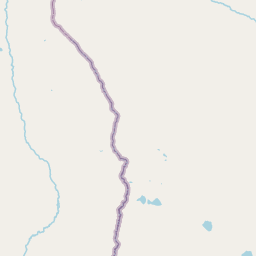
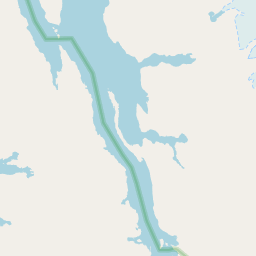
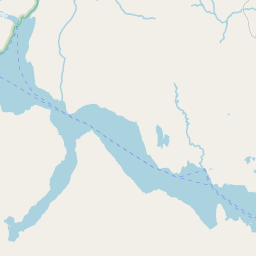
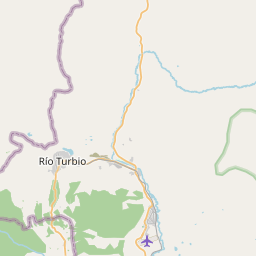
Map


More about Chile
See all the guidesTorres del Paine in One Day
A full day in Torres del Paine from Puerto Natales: the public bus with two variants, the full-day van and your own car, and why Base Torres does not fit.

Long weekend Santiago - Valparaíso
Four days between the capital and the port: downtown Santiago, the hills of Valparaíso and the coast of Viña del Mar, all within a radius of 120 kilometres.

8-day route Santiago - San Pedro
Santiago, Valparaíso and the Atacama Desert in an eight-day route: the mountains, the Pacific, the salt flats and the geysers, without trying to see the whole country.

5-day route Iquique - San Pedro
From Iquique to San Pedro in five days, climbing from the coast to the desert: the nitrate works, Paranal Saturday and two long bus stretches counted for what they are.

4-day route through Easter Island
Four days on Rapa Nui: the Tongariki moai at dawn, the Rano Raraku quarry, the ceremonial village of Orongo and Anakena beach.

5-day route Arica - Parinacota
From Arica to Putre, Lauca and Surire in five days, ordered by altitude: low first, and the night in Putre before any park.

4-day route La Serena - Elqui
La Serena, Vicuña and Pisco Elqui in four days, built around the Saturday at Cerro Tololo and the observatory nights, which are booked before leaving.


